You’ve launched your ad, targeted the right keywords, and set your budget. But your conversions? Still underwhelming.
The problem may not be your ads, it’s often what happens after the click. That’s where landing pages for SEM become critical.
What Is a Landing Page’s Role in SEM?
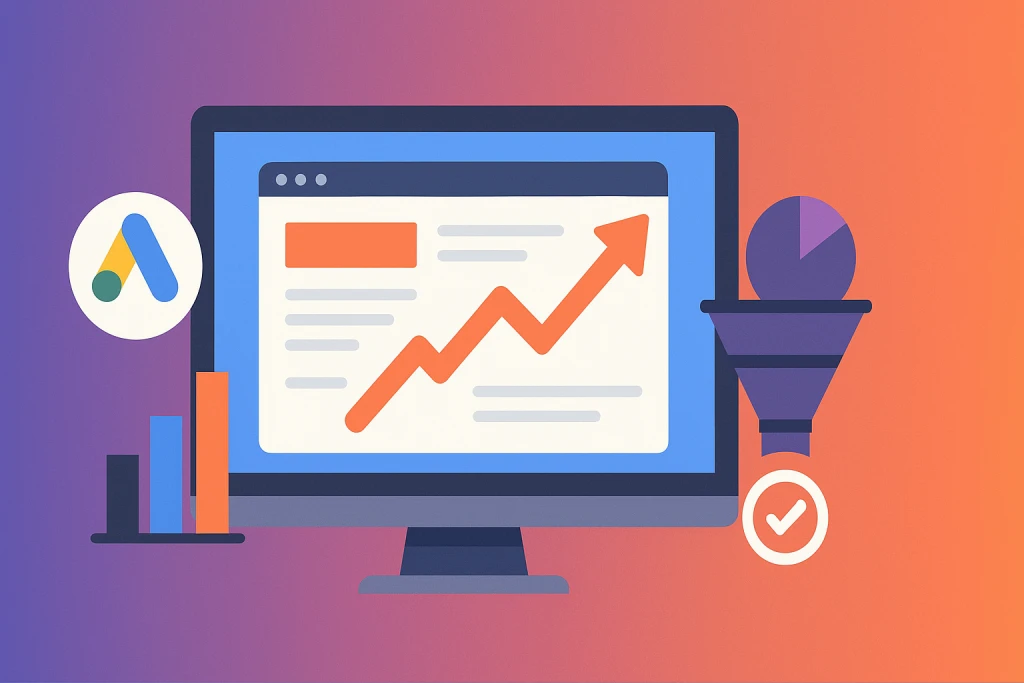
A landing page is more than a destination; it’s the final stretch of your marketing funnel. In a high-performing search engine marketing campaign, this page needs to align with ad intent, load quickly, and guide the visitor to take one specific action.
If your ad promises something and the landing page doesn’t deliver immediately, users bounce and your budget burns.
When a Good Ad Meets a Bad Landing Page
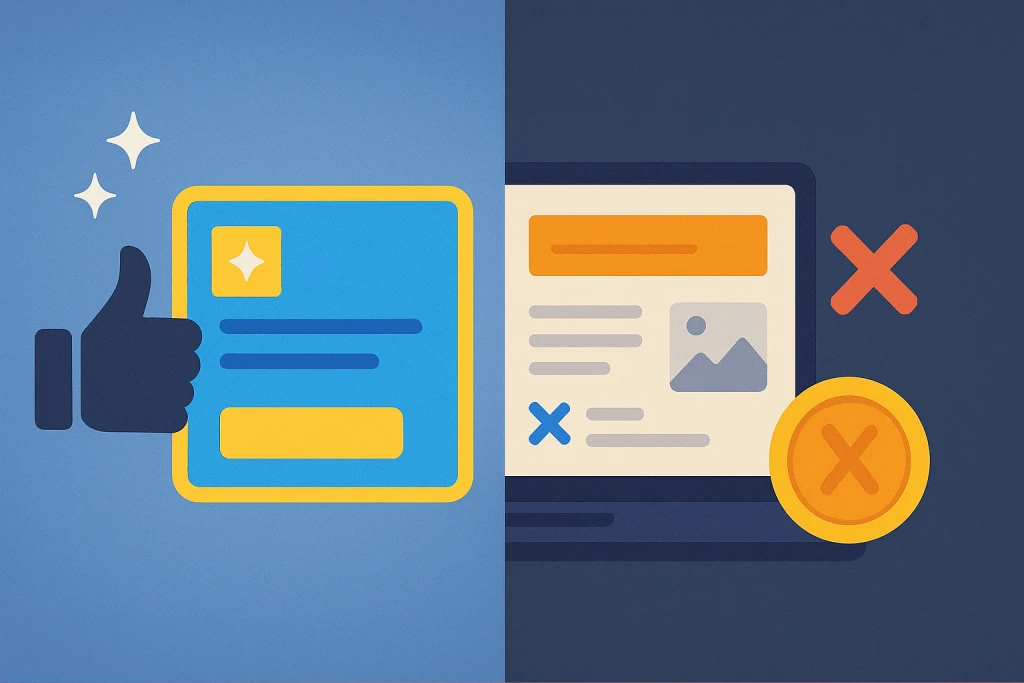
Even with a strong ad strategy, your campaign can fail if your landing page is:
- Too slow to load
- Unclear or inconsistent with the ad message
- Cluttered with distractions
- Missing a strong call to action
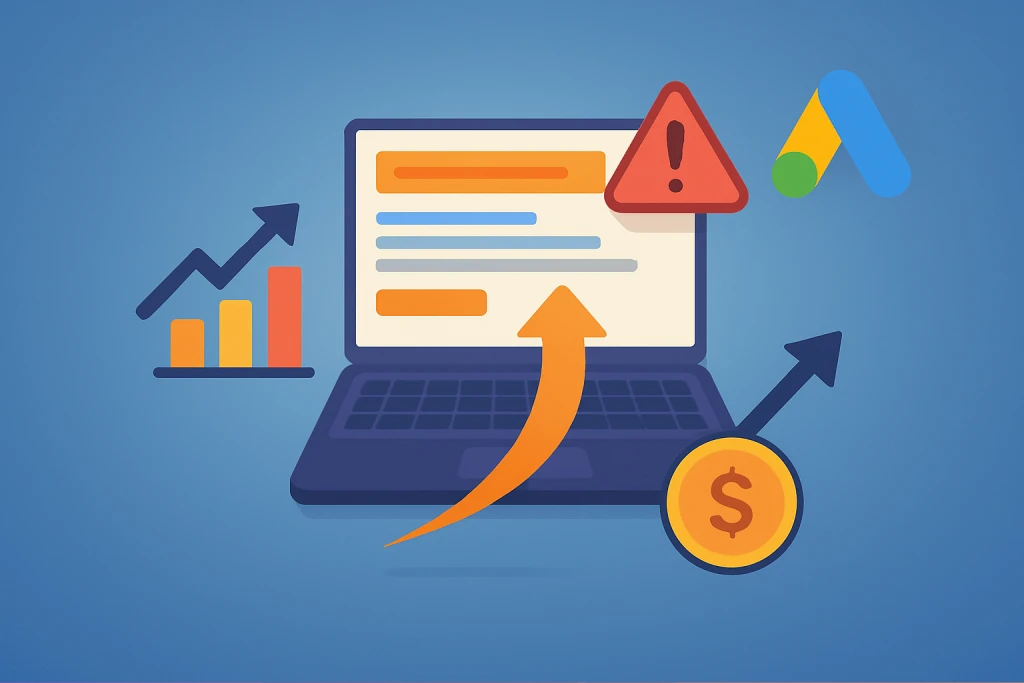
Each of these issues can negatively impact Google Ads performance and drive your cost-per-click higher while dragging down your Quality Score.
What Makes an SEM Landing Page Effective?
Great landing pages are built with one goal in mind: conversion. They’re designed for simplicity, clarity, and speed. Here’s what they often include:
| Key Element | Purpose |
| Matching headline & ad | Reinforces message alignment |
| Focused content | Keeps users engaged and informed |
| Single, strong CTA | Drives clear user action |
| Clean, mobile-friendly design | Prevents drop-off and supports fast loading |
| Trust signals | Builds credibility with reviews or guarantees |
All of these support conversion rate optimization, the process of turning more visitors into leads or customers without increasing traffic.
The Link Between Landing Pages and Google Ads ROI
Google rewards ad relevance. When your landing page matches the searcher’s intent, Google notices. As your page relevance improves, you’ll often see better ad placement, reduced costs per click, and more consistent exposure across search results.
In other words, your landing page directly influences Google Ads performance.
“A weak landing page drains your budget. A strong one multiplies its impact.”
Takeaway: Make Every Click Count
In SEM, your ad may win the click but your landing page decides the outcome. If it’s fast, focused, and aligned with user intent, it not only improves your Google Ads performance, but also turns traffic into tangible business results.
Whether you’re aiming to cut costs, improve ROI, or simply get more value from your existing campaigns, optimizing your landing page isn’t optional, it’s essential.
Final Thoughts
Getting the click is just the beginning of real SEM success depends on what users find after they land. A fast, focused, and relevant landing page is the missing piece in many underperforming campaigns.
If your ads are working but conversions aren’t, start by reviewing your landing page. It might not just be an element of your campaign, it might be the one that makes or breaks it.